The most common mistakes new web serial authors make
The most critical web serial author mistakes include launching without a chapter buffer, posting on an inconsistent upload schedule, and pacing digital fiction like a slow-burn traditional novel. To succeed on platforms like Royal Road, Wattpad or Quibble, web serial authors must establish a predictable release cadence, hook readers in the opening chapters, and actively engage with reader feedback to leverage platform recommendation algorithms.
Making the leap from writing a novel in private to publishing a web serial live, week after week, is a total culture shock. When I first started looking into web fiction, I assumed that if you had a good story, readers would just magically show up. Boy, was I wrong.
Writing online is a completely different ballgame. You aren't pitching traditional agents or waiting two years for a print run - you’re dropping chapters directly into the wild, where reader attention spans are razor-thin, algorithm rules change overnight, and competing stories sit just a click away.
Over the years, after watching dozens of brilliant writers launch with high hopes only to see their view counts land with a thud, we’ve picked up on a clear pattern. Most new authors don't fail because their prose is bad; they fail because they try to apply traditional publishing playbooks to digital, serial platforms.
If you want to save yourself months of head-scratching and creative burnout, here are the six foundational web serial author mistakes you need to dodge from day one.
1. Web Serial Author Mistakes: Launching Without a Buffer
The most common trap I see new web serial authors fall into is hitting "publish" on Chapter 1 the exact second they finish writing it. It feels exciting in the moment, but you’re essentially setting up a trap for yourself.
Writing in real-time puts you under relentless pressure. The moment real life gets in the way - whether it's a crazy week at your day job, a bad flu, or a sudden bout of writer's block - your publishing schedule falls apart. And trust me, online readers are ruthless. If you miss your upload window two weeks in a row, they won't wait around; they'll simply move on to another serial that updates on time.
To save your sanity, build a strict chapter buffer before you even think about launching. Write 10 to 15 chapters ahead of time and lock them in a vault. That backlog acts as your shock absorber during creative dry spells, making sure your story keeps updating smoothly even when your schedule gets chaotic.
2. Inconsistent Upload Schedules
Serial fiction readers are absolute creatures of habit. They expect your new chapter to drop right as they're grabbing morning coffee, riding the train home, or unwinding before bed. When new web serial authors post sporadically - dropping three chapters in one week and then going radio silent for three weeks - it breaks that psychological momentum.
Inconsistent posting is one of those subtle web serial author mistakes that creeps up on you once the initial launch excitement fades. On top of that, platform algorithms absolutely despise inconsistent posting. Search algorithms on sites like Royal Road, Wattpad, and Quibble favor predictable, steady activity. Frequent gaps in your publishing history send a signal to the algorithm that your story is dead in the water, which tanks your visibility in "Recent Updates" feeds.
3. Pacing the Story Like a Traditional Novel
In a traditional paperback, an author can take three chapters just to describe the misty mountains, set up the political history, and introduce the protagonist's extended family. If you try that on the web, readers will close the tab before they even finish page two.
Online readers have infinite choices pulling at their attention. If your opening chapters are bogged down in heavy exposition and worldbuilding dumps, your bounce rate is going to hit the roof.
Successful web serial authors restructure their story arcs specifically for digital reading. Every update needs a mini-hook, a clear narrative shift, and a reason for the reader to smash the "Next Chapter" button. Keep your worldbuilding lean on the front end, get your central conflict moving fast, and make sure each release leaves the audience wanting more.
If you feel like your early chapters are dragging, it's worth taking a step back to learn how to fix boring, slow, or rushed plots before you launch.
4. Ignoring Platform-Specific Culture
Every fiction platform has its own distinct culture, sub-genres, and unwritten rules. What flies on Wattpad will completely flop on Royal Road, and vice-versa. One of the biggest web serial author mistakes is taking a lazy, one-size-fits-all approach to publishing.
Messing up platform tags is particularly painful. If you tag a dark progression fantasy as a generic "Action" story, or misuse system tags on Royal Road, the platform's recommendation engine won't know who to show your book to. You end up preaching to the wrong room.
Before you publish, spend a few days doing recon on your target platform. Look at the top-trending stories in your specific niche. Notice how they write their synopses, which tags they lean on, and how they format their cover art. Tailor your metadata so it matches what those readers are already looking for.
5. Treating Comment Sections Like a One-Way Street
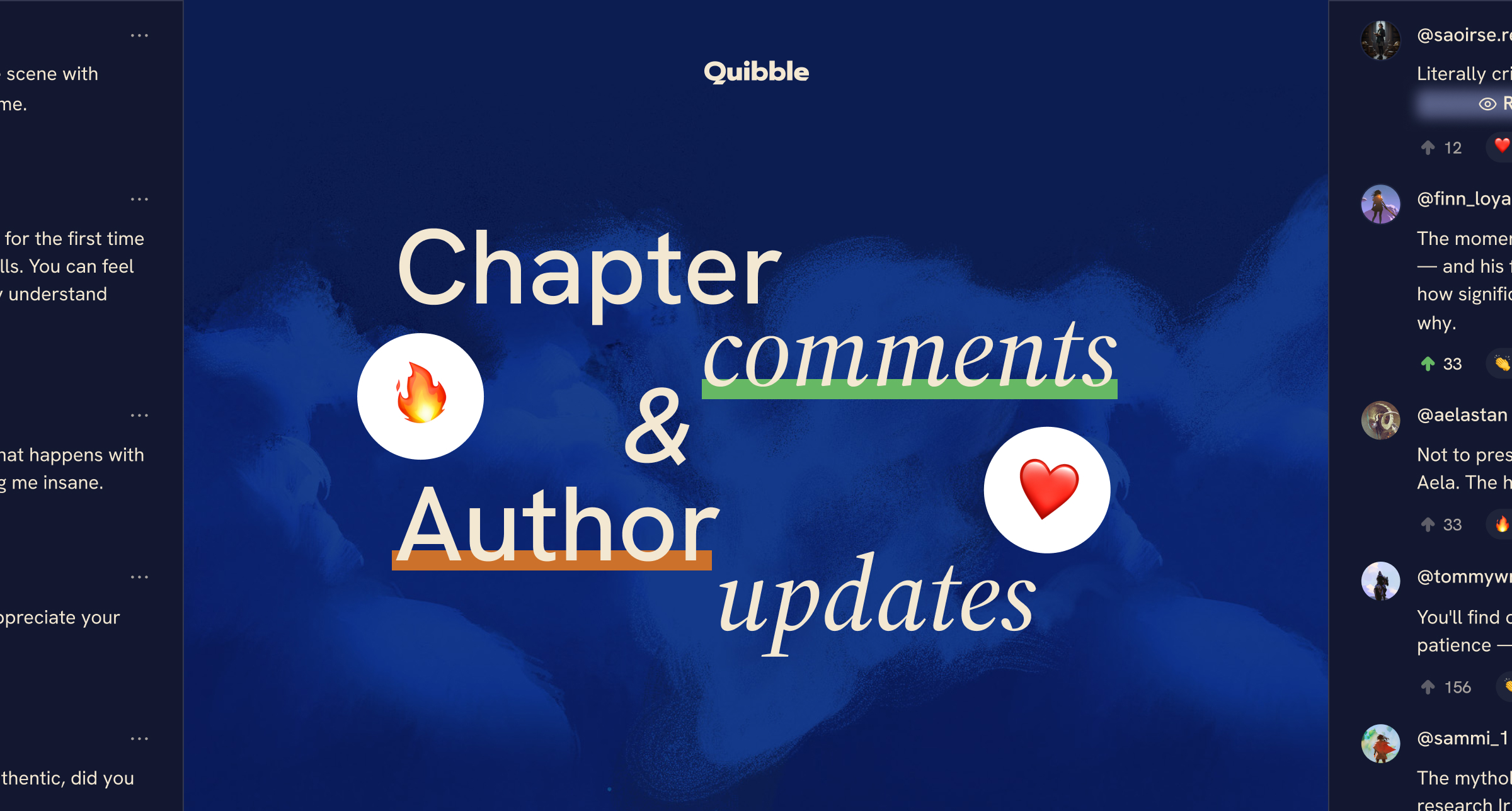
Traditional publishing places a massive wall between authors and their readers. Web serials do the exact opposite - they drop you right into the room with your audience. Unfortunately, some new writers make the mistake of treating their comment section like a broadcast channel where they just post updates and walk away.
Ignoring reader comments, fun theories, and constructive feedback kills your engagement metrics. Many platform algorithms explicitly boost stories that generate hot, active comment sections - especially when readers are dropping inline comments on specific paragraphs to react to a sudden plot twist - because it proves people are engaged.
6. Overcomplicating the Plot Too Early
When someone reads a physical book, they usually read it over a few days, making it easy to track complex subplots and twenty different side characters. But in web serials, your audience consumes your story in bite-sized chunks separated by days or weeks.
If you drop seven perspective characters, three magic systems, and five centuries of lore in your first five chapters, your readers are going to get confused and drop off.
Keep things tight during your launch arc. Focus on one core protagonist, their immediate problem, and the clear threat in front of them. Once your readers are hooked and emotionally invested in that main character, then you can start layering in broader lore, secondary perspectives, and sprawling subplots.
Bonus Tip: Dealing with Trolls Without Losing Your Mind
Because online feedback is instant, you will eventually bump into harsh or downright toxic comments. I've seen a single nasty review send a talented author into a complete spiral, or tempt them into getting into a public shouting match in the comments. Engaging with trolls never works—it ruins your brand and turns off the quiet majority of readers who love your work.
Here’s how we recommend protecting your creative energy:
➤ The 24-Hour Rule: Never reply to a comment while you're pissed off. Step away, let your temper cool down, and look at it with fresh eyes tomorrow.
➤ Separate Critique from Hate: If someone points out a genuine plot hole or typo, take the note graciously. If someone is just throwing personal insults, use our platform tools to block or mute that user from commenting on your story without giving it a second thought.
➤ Double Down on the Supporters: Spend your energy talking to the people who are cheering you on, not trying to win over someone who was determined to hate the story anyway.

Shifting your mindset from a solo writer to an online serial creator takes time. The digital space moves fast, but dodging these six web serial author mistakes will save you months of trial-and-error.
At the end of the day, consistency and community are just as important as the prose itself. Treat your serial like a marathon, guard your writing energy, and focus on building a genuine connection with your readers.
Ready to bounce ideas around and build your universe? Head over to our subreddit to drop your world-building questions or jump into Discord writing server to share your draft chapters, get feedback, and hang out with fellow writers!